Latest Posts

Video: UK food labels explained

A quick guide to UK food labels, from Green Dispatches on Vimeo.


If you would like more information, then check out Compassion in World Farming’s very helpful food label page and the excellent Sustainable Food Trust’s page which includes information on free range, Fair Trade and the Rainforest Alliance. Also the Marine Conservation Society’s consumer site offers information and smartphone apps.


Top image: (cc) Ralph . 2015, made available under an attribution 2.0 generic license

I Googled all of Tesco’s ‘fictional farms’

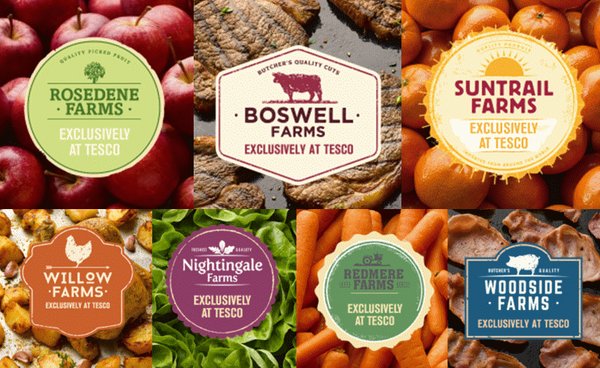
British supermarket giant Tesco has come under criticism after launching a new product range which is branded under a series of farm names – all of which have been created to “convey the quality specifications that go into every product across the range” according to a statement from the retailer, given to Fresh Produce Journal.

At a time when consumers want more transparency than ever when it comes to knowing where their food comes from, Tesco’s new brand rollout seems to have been primarily met with confusion.

The Tesco brand names represent a product, rather than traceable goods and produce from farm to supermarket shelf.

According to industry news site Farming UK,  76 products will be sold under the seven new brand names, which are:

  • Redmere Farms, for vegetables
  • Suntrail Farms, for imported Fruit
  • Rosedene Farms, for berries, apples and pears
  • Nightingale Farms, for salad
  • Woodside Farms, for pork
  • Willow Farms, for chicken
  • Boswell Farms, for beef

But what if these farm names already exist? And if so, what are they actually farming? I did a Google trawl, so you don’t have to.

tesco 1

Redmere Farms: this one didn’t have much of a web footprint at all, but there does seem to be a Redmere Farm in Westleton, Sussex. And people seem to like hiking near it.

Suntrail Farms: according to the Florida Department of State Division of Corporations (found at the cheery and slightly unreassuringly-named sunbiz.org) there is a Sun Trail Farm business registered in Duette, Florida but not much info on what they actually produce. Maybe they do genuinely produce the imported oranges for Tesco as per their packaging?

Rosedene Farms: again not a lot of online info under this name, but according to business directory 118 118, there is pretty much definitely a Rosedene Farm in Wetherby, West Yorkshire which is almost certainly farming livestock.

Nightingale Farms: bit of a theme here. They all seem to be in North America and are all organic, sustainable or small scale. You can choose from Nightingale Farms in Ontario, which grows organic fruit and veg, small family farm Nightingale Farms in California which raises goats or family-run sheep farm Nightingale farms in Texas.

Woodside Farms: it turns out Derbyshire Wildlife Trust have a farming and conservation enterprise, near Ilkeston, where they raise wonderfully charismatic highland cattle and Jacobs sheep while preserving natural habitats. There is also a Woodside Farm in Kent, which is breaking new ground in the form of some kind of Parma ham-esque air dried lamb.

Willow Farms: Worcestershire-based Willow Farm is a mixed farm, with different types of livestock and bees, farming along sustainable principles. Or you could pop along to rare breeds specialist Willow Farm, a family-run business that works to provide high animal welfare standards. Or for something different, head to Jersey’s Willow Farm to get your fill of the eponymous Jersey Royal potato and pick up a nice bunch of daffodils while you’re there.

Boswell Farms: according to the LA Times this is also the name of an enormous cotton farm turned agribusiness giant in California. They seem to be still going in the face of the well documented droughts heavily impacting the sunny state, although the San Jose Mercury News slightly terrifyingly reported in 2014 that:

‘Cotton king J.C. Boswell Farms drilled five ultra-deep 2,500-foot wells last year. Each one is as deep as two Empire State Buildings, stacked underground.’

Surely that can’t be helping the California water shortages.

Bonus entertaining fact!

In the process of putting this article together, I discovered the joyous fact that two (two!) of the Tesco farm brand names are also names of farms on the BBC Radio4 long running rural soap opera The Archers.

Looking at you Willow Farm and you, Nightingale Farm!

That’s answered then. Sort of.

In the interests of fairness, it should be pointed out that Tesco is not the only supermarket who thinks that branding equals authenticity.

Aldi and Lidl both use this tactic and Marks and Spencer famously stocks ‘Oakham Chicken’ which led to a series of puzzled interviews with residents in the town of Oakham, as the BBC attempted to track down the M&S chicken farm in 2007.

But M&S has at least recognised that a food brand of this kind still needs to deliver traceability, and has since added the name of the farmer on each and every Oakham chicken.

The National Farmers Union chief food chain adviser Ruth Mason said: “It’s vital that shoppers have accurate, clear labelling on the origin of any British food or drink product in order to make an informed choice about what they are buying.”

Sources: The NFU, Tesco.com, BBC, The Guardian 

Podcast: Why Seaworld’s killer whale captive breeding ban is big news

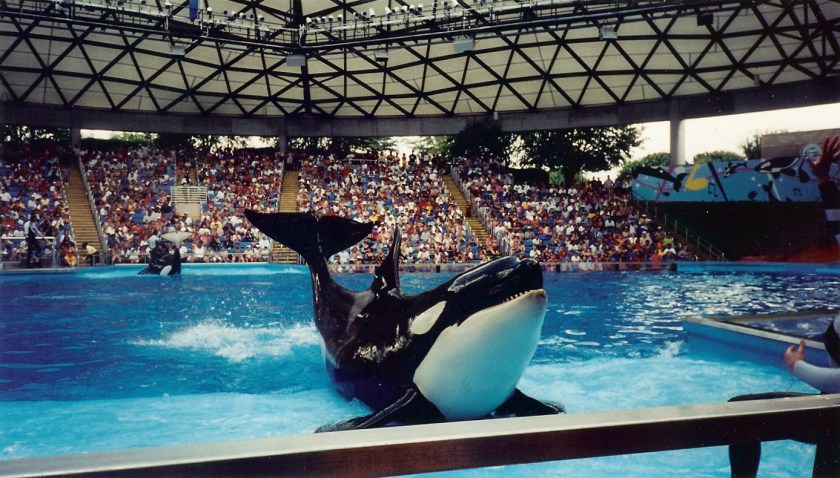
Last week, household-name and theme park operator SeaWorld, announced they were ending their killer whale captive breeding programme.

For anyone who has been following the growing financial and negative PR struggles of SeaWorld since 2013 documentary Blackfish was released, this was big news.

The news coverage continues to rumble on, days after the initial announcement. Just earlier today, Forbes published a long interview with SeaWorld CEO Joel Manby on the events leading up to the decision.

Green Dispatches spoke with Claire Bass, Executive Director of the Humane Society International’s UK office. The US arm of the charity was instrumental in helping craft SeaWorld’s new policies.

Episode one of the Green Dispatches podcast has a great explainer on why SeaWorld’s announcement is so important.

If you are wondering why so many column inches have been dedicated to the subject, then this podcast is for you.

Green Dispatches also learns about SeaWorld’s other good news for animals that was slightly overshadowed by the captive breeding announcement and uncovers why the UK’s recent history means the country has no real equivalent to SeaWorld.

You can listen and subscribe to Green Dispatches on iTunes or via the Opinion page.

Top image: (cc) yareshi 2011, made available under an attribution 2.0 generic license

Sources: BBC, LA Times, National Geographic


6 sites to help you eat seasonally

Spring has officially sprung here in the UK, we know this because today’s Google doodle tells us so (happy vernal equinox by the way).

Excitingly this means lighter, longer days, which bring with them a fresh new crop of fruit and vegetables coming into their best time of year. This makes for extra-delicious dinners, that are also a little cheaper to cook.

It’s not only fruit and vegetables that are seasonal, different meat and fish have better times of the year too. But without help, it can be impossible to know what to look for when you go shopping, so here are some of the sites I have found to be most useful over the years.

1 – Sustain 

For more on why seasonal produce is cheaper and more environmentally friendly, as well as a really good explainer on why food miles aren’t always bad, check out Sustain’s excellent overview on the subject.

2 – Eat the Seasons

With a simple site setup, it’s easy to do a quick scan when putting together a shopping list. You can look at what’s in season this month, or what’s good to eat this week.

3 – Eat Seasonably

This site focuses on fruit and vegetables, but takes it one step further and gives you advice on what you can plant and grow yourself, as well as what you can buy and eat.

4 – BBC Good Food

If you like a quick overview of our most common ingredients in one place, BBC’s Good Food has a handy calendar, which you can filter by food type.

5 – BBC Food

I know, there’s a second BBC site on this list, but it has a great range of recipes by season and month, which should give you plenty of ideas to get started.

6 – Riverford Organic Farms

Organic pros and cons are a bigger discussion, but Riverford has built up a well earned reputation over the years. You can buy from them and have it delivered to your house, and get inspired by their range of droolworthy recipes. Vegetables have never looked so good.

(Disclaimer: I worked with Riverford on a charity campaign a few years ago, and after spending some time on their farms and witnessing their standards firsthand, I wouldn’t hesitate to recommend them.)

Top image: (cc) marc 2015, made available under an attribution 2.0 generic license

https://www.flickr.com/photos/mdpettitt/17154504200/

Lights out for Earth Hour

This year marks the tenth lights out for the globally celebrated Earth Hour, most famous for iconic buildings from the Sydney Opera House to the Eiffel Tower in Paris shutting down their sky-illuminating lights for 60 minutes, in a show of environmental solidarity.

Earth Hour is an initiative set up by WWF and 2016’s UK theme is ‘sustainable food for a sustainable planet’, with people and businesses volunteering to cook, order and eat food that is healthy for planet and people alike.

There are many interpretations of sustainable, healthy diets available, and different governments don’t necessarily agree on what it should look like.

It can be very confusing to know what this really means in our daily lives.

However, the UK does fairly well on this front, providing guidance in the form of the Eatwell Plate, which offers pragmatic suggestions for an achievably nutritious and sustainable diet.

The Carbon Trust ran an analysis of the Eatwell Plate, publishing the results earlier this month, stating that the recommendations would mean a noticeably lower environmental impact if UK citizens were to take them up.

And WWF UK has put together the Livewell principles which take you one step further in terms of sustainable food choices, which you can find on their site along with shopping lists and recipe ideas.

Banner via WWF Earth Hour starter pack

If you are new to this, here are some easy tips that should help people make some easy choices while out shopping, inspired by Public Health England.

Eat more fruits and vegetables

According to a 2013 report published by the United Nations Food and Agriculture Organisation, the total global greenhouse gas (GHG) emissions from global livestock each year account for 14.5 per cent of all man made GHG emissions – the chief driver of global warming.

And in terms of our health, there are now a body of reports of increased meat consumption leading to a range of cancers, and processed foods contain additives, along with higher levels of sugar and salt – the NHS has plenty more information on this.

The simple rule is to eat a minimum of five portions of fruit and vegetables each day, with the emphasis on vegetables and for maxiumum health benefits, eat a rainbow of colours.

Eat seasonally where possible

We have been lucky enough to have become used to having a world of produce available to us in our supermarkets, all year round.

However eating seasonally allows farmers to work in harmony with the weather and the land. When you force crops out of season, it requires more intensive agricultural systems – for example a greater reliance on pesticides and artificial fertilisers.

According to Sustain, over time this endangers our ability to grow food in the future, with our very soil and water under threat. Seasonal eating can work out more cheaply for consumers, which is along with saving our future food, is another good reason to try it.

Plan ahead

Sustainable resources charity WRAP says UK households are throwing away 4.2 million tonnes of avoidable household food and drink annually, or the equivalent of six meals every week for the average UK household.

This one’s a no-brainer. Few people would start the week thinking that they would happily throw away the cash equivalent of six meals, so this will save you money, while reducing the amount of waste.

Look at the packaging

This is means thinking about the packaging your food is in. Do you really need to buy four potatoes in a shrink-wrapped tray, or can you just put them loose straight into your trolley?

If you think your consumer choices won’t make a difference, then just a couple of weeks ago Whole Foods had to pull a pre-peeled, plastic-encased satsuma from sale after facing ridicule on social media when photos of the fruit on their shelves went viral.

So there you have it. Some easy things to remember the next time you go food shopping, which will help both you and our wonderful planet.

Happy eating! Let me know in the comments if you celebrated Earth Day.

Top image: (cc) Martin Pettitt 2015, made available under an attribution 2.0 generic license
Bhutan welcomes royal baby with epic tree planting

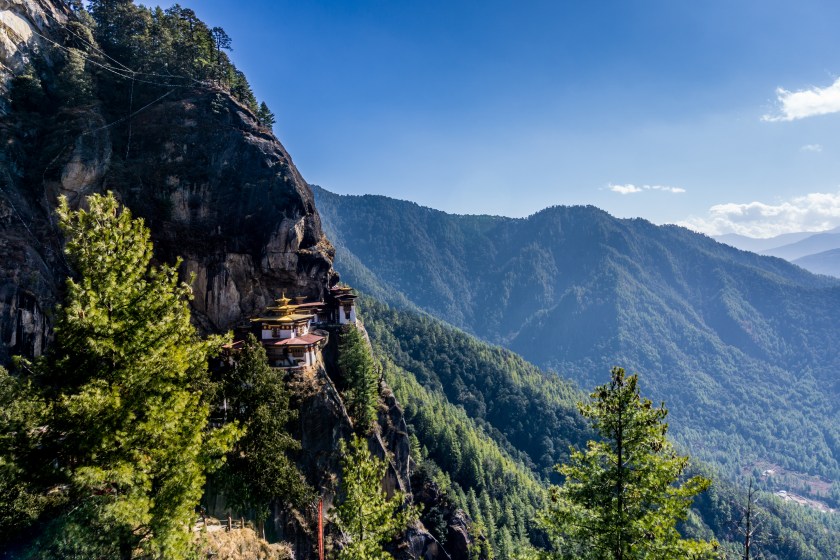
Bhutan – a small country nestled high up in the Himalayas – is largely known for regularly topping the World Happiness Report and measures its progress not by Gross Domestic Product like most countries (including the UK), but by Gross National Happiness.

In other words they measure wellbeing rather than income, and they seem to be doing pretty well on it. In 2012, NPR reported that Bhutan intends to be the world’s first full organic country, as the country considers environmental wellbeing vital to happiness.

Bhutan built on its fascinating profile at the Paris climate summit in December 2015, when it emerged as the country with the most ambitious plan to curb harmful greenhouse gas emissions.

But the cheery nation is not resting on its laurels and has just completed a mass tree planting in a touching, country-wide initative welcoming the latest member of the royal family into the world.

Why 108,000 trees? The biggest religion in the democratic monarchy of Bhutan is Buddhism, which holds 108 as a sacred number.

 
Tenzin Lekphell, who led the initiative explained: “In Buddhism, a tree is the provider and nourisher of all life forms, symbolizing longevity, health, beauty and even compassion. The number of trees planted was exactly 108,000, as 108 is a sacred number in Buddhism, denoting the cleansing of 108 defilements that impede beings from attaining enlightenment. Hence 108 beads in a rosary.”
King Khesar Namgyel Wangchuck and Queen Jetsun Pema announced the birth of their first child on 5 February and the tree planting took place about a month afterwards on 6 March.

Bhutan is very dedicated to its monarchy and this show of good will is just the most recent display of affection for their royals.

Tshering Tobgay, the Prime Minister of Bhutan tweeted a photo of the saplings being planted, congratulating the organisers on the project, which is called the Tendrel Initiative.

With a small population of 741,919 people – less than the British city of Leeds, which has has 751,500 citizens – every household in Bhutan took part in the planting, with all 82,000 households each planting a tree.

The remaining 26,000 trees were planted in 14 districts across the country by volunteers, and every tree came bearing good wishes.

Lekphell said: “Each sapling encapsulates a prayer and a wish from the person who planted it to His Royal Highness the Prince so that just like the bountiful tree, the Prince also grows up healthy, strong, wise and compassionate.”

Forests and trees are protected by law in Bhutan, one of the world’s last remaining biodiversity hotspots.

A minimum of 60 per cent of the country’s land is under environmental protection, but in fact forest cover currently extends to 72 per cent.


Top image: (cc) Caleb See 2015, made available under an attribution 2.0 generic license
Sources: Treehugger, The Diplomat